


Disclaimer: This article is for informational and educational purposes only and does not constitute investment advice. I may hold positions in some of the securities mentioned. Please do your own research and invest at your own risk.
Date: December 5, 2025
Ticker: 6586.T (Tokyo Stock Exchange) / MKTAY (OTC)
Sector: Industrial Machinery / Power Tools
Current Price: ¥4,436
KonichiValue Score: ***** (see below for final score)
I have a confession to make. While the rest of the market is chasing the AI dragon and hyper-ventilating over Nvidia’s quarterly guidance, I’ve been looking at power tools. Specifically, I’ve been obsessing over Makita (6586.T).

You might remember I included Makita in my “Fortress Five” list, the five Japanese stocks with moats so wide and balance sheets so strong they could survive a nuclear winter:

But recently, the market has treated Makita like a relic. The stock has gone nowhere fast, beaten down by a global housing slowdown and the terrifying realization that people bought enough drills during the pandemic to last a lifetime.
But here is the thing about value investing in Japan: The best time to buy a fortress is when everyone else thinks it’s a ruin.
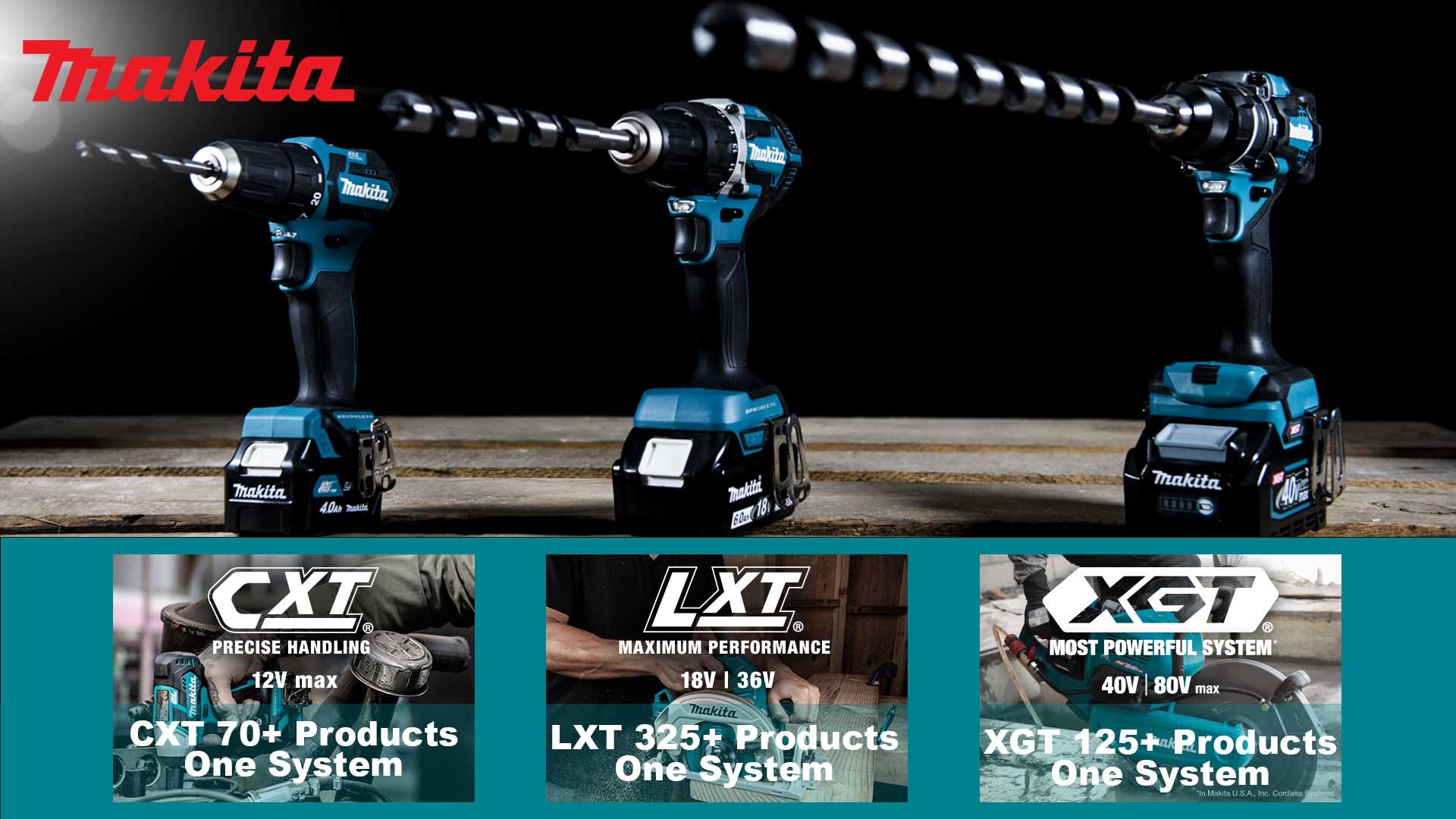
I’ve spent the last week tearing apart Makita’s financials, analyzing their new XGT battery platform, and comparing them to their flashy Hong Kong rival, Techtronic Industries (TTI). While the “smart money” chases growth at any price, I’ve found an industrial titan trading at 7.9x EBITDA with a balance sheet that looks less like a company and more like a sovereign wealth fund.
This isn’t a sexy trade. It’s a survival trade. And in 2025, survival is the new growth.
1. The KonichiValue Framework
Japan is not Wall Street. The rules of engagement are different here. To separate the value traps from the compounders, I subject it to the War Scroll:
This is the stress test every company must survive before I deploy capital:
🌕🌕🌕🌕🌕 : S-Class – Perfect execution.
🌕🌕🌕🌕🌑 : A-Class – Minor flaws only.
🌕🌕🌕🌑🌑 : B-Class – Competent but flawed.
🌕🌕🌑🌑🌑 : C-Class – Significant issues.
🌕🌑🌑🌑🌑 : D-Class – Avoid at all costs.
The Pillars:
Pillar I: The Narrative ( 物語) 📜
The Story & The Spark.
The Macro Fit: Industry CAGR > Global GDP.
The Growth Check: Revenue CAGR > 5% (or > Peers) over the last 3-5 years. The company must be growing, not just the industry.
The Spark: A specific catalyst to unlock value in the next 12 months. (e.g., A new Medium-Term Plan targeting PBR > 1.0x, a raised dividend policy, or activist buying).
Direction: Confirmed “Sunrise” (Tailwinds) vs. “Sunset” (Headwinds).
Pillar II: The Castle (城) 🏯
The Moat.
The Margin Test: Gross Margins > 30% (or significantly > peers). High margins are the only proof of a moat.
The “Stone Wall”: Does the company possess a specific defense (patents, regulatory approvals, or high switching costs) that prevents giants from crushing them?
Durability: High switching costs; ability to raise prices without losing share.
Pillar III: The Shogun (将軍) ⚔️
The Leadership.
Skin in the Game: Management ownership > 3% (Personal wealth tied to performance).
Capital Allocation: Total Payout Ratio (Dividends + Buybacks) > 30–40%.
Track Record: Consistent execution of Operating Margin targets (3-year lookback).
Pillar IV: The Foundation (石垣) 🪨
The Financial Health.
Safety Check: Net Debt/EBITDA < 2.0x (Preferably Net Cash positive).
Efficiency: ROE > 8% (Meeting the “Ito Review” standard). This measures how well they use your money.
The Rot Check: Stable Inventory Turnover (Rising inventory + Flat sales = Rot).
Pillar V: The Verdict (目利き) ⚖️
The Stock Valuation.
Relative Value: P/E trading below its 5-year average and global peers.
Intrinsic Value: DCF Upside > 20% (Adjusted for current 1.85% JGB yields).
Margin of Safety: Trading at a distinct discount to historical P/E.
2. The KonichiValue Pillars
Pillar I: The Narrative (物語)
Focus: The Corporate Narrative
Grading: 🌕🌕🌕🌑🌑 (Competent but Flawed)
